
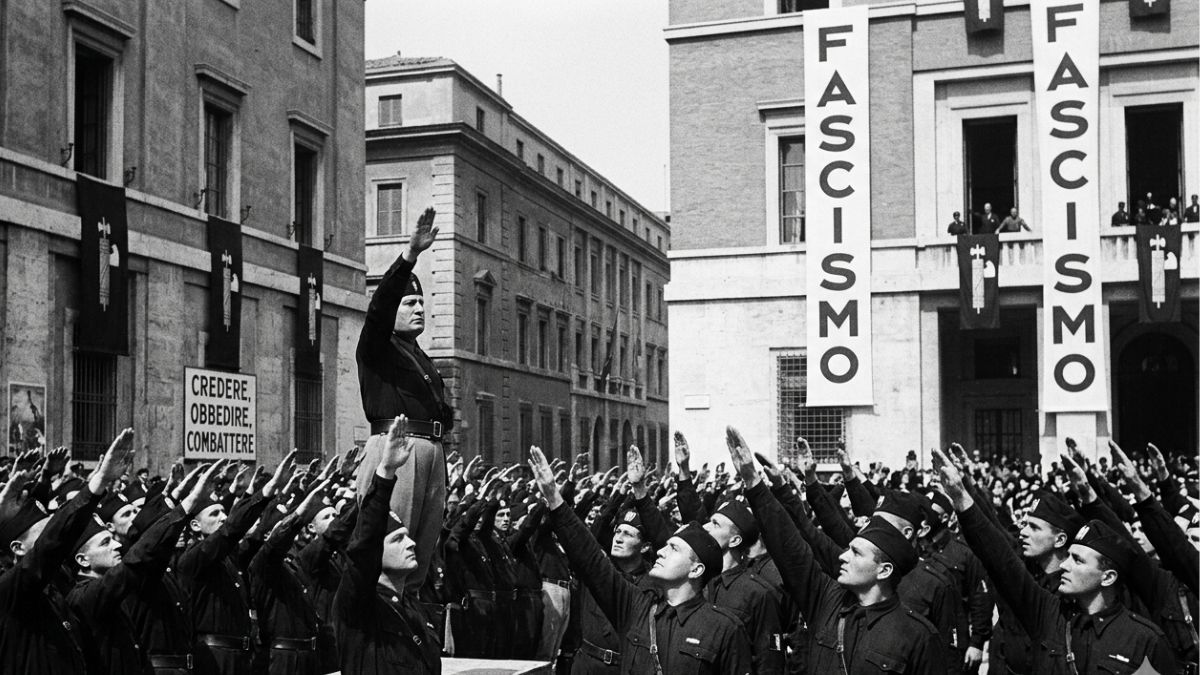
Fascisterne, commonly referred to as Fascism in English, is a far-right political ideology that emphasizes authoritarian power, extreme nationalism, and the suppression of opposition. It emerged in the early 20th century during a period of political instability, economic crisis, and social unrest, particularly in Europe after World War I. The term itself is derived from the Italian word “fascio,” meaning a bundle or group, symbolizing unity and strength through collective identity.
Fascism is not just a political system; it is a comprehensive worldview that seeks to control every aspect of society, including culture, media, education, and the economy. Unlike democratic systems that prioritize individual freedoms and rights, fascist regimes often promote the idea that the needs of the state outweigh personal liberties. This ideology has historically been associated with strict censorship, propaganda, and the elimination of political dissent.
Understanding fascisterne is essential for recognizing the warning signs of authoritarianism in modern societies. While classical fascism as seen in the 20th century may not exist in the same form today, its principles can still influence political movements and ideologies worldwide. By studying its origins and characteristics, we can better safeguard democratic values and prevent history from repeating itself.
Historical Origins of Fascism
Fascism originated in Italy in the aftermath of World War I, a time marked by economic hardship, political instability, and widespread dissatisfaction. Many citizens felt betrayed by the outcomes of the war, which failed to deliver the territorial gains they had been promised. This discontent created fertile ground for radical ideologies, including fascism, to take root and gain popularity among the masses.
The movement was led by Benito Mussolini, who established the first fascist regime in 1922. Mussolini capitalized on public frustration by promising national revival, economic stability, and strong leadership. His rise to power marked the beginning of a new political era in Italy, characterized by centralized authority, aggressive nationalism, and the suppression of opposition parties and free press.
Core Ideology and Principles of Fascisterne
At its core, fascism is built on the belief in a strong, centralized authority led by a single leader or ruling party. Fascist leaders often portray themselves as savior figures who embody the will of the nation and remain above criticism. The concentration of power in one entity removes checks and balances and allows the regime to operate without accountability.
Another key principle of fascisterne is extreme nationalism. Fascist regimes promote the idea that their nation is superior to others and must be protected at all costs. This belief often leads to xenophobia, racism, and the marginalization of minority groups. Fascist governments enforce national unity through propaganda and strict control over cultural and social institutions.
Fascism also rejects liberal democracy and individual freedoms. Instead, it emphasizes collective identity and obedience to the state. Citizens are expected to conform to societal norms and support the government’s agenda without question. The regime maintains this suppression of individuality and dissent through censorship, surveillance, and often violent repression.
Political Structure and Governance
Fascist governments establish authoritarian rule by concentrating power in the hands of a single leader or ruling party. They weaken or completely abolish democratic institutions such as elections, parliaments, and independent courts, allowing the regime to control all political decision-making processes.
Fascist regimes do not tolerate political opposition. They ban opposition parties, silence critics, and often respond to dissent with imprisonment, exile, or execution. They also use secret police and surveillance systems to monitor citizens and prevent resistance, relying on fear as a key tool to maintain control.
Economic Policies Under Fascism
Fascist economies function as a form of state-controlled capitalism. They allow private property and businesses to exist but place them under heavy government regulation to align with national interests. The state directs economic activity, especially in industries that are essential for national strength.
Fascist economic policy emphasizes corporatism, where industries operate within state-controlled groups that represent both employers and workers. These groups aim to reduce class conflict by encouraging cooperation, but in practice, they often suppress workers’ rights and prioritize the interests of the state and elite groups.
Role of Propaganda and Media Control
Propaganda is a cornerstone of fascist regimes, used to shape public opinion and maintain control over the population. The government controls all forms of media, including newspapers, radio, film, and education, ensuring that only approved messages are disseminated. This creates a one-sided narrative that glorifies the regime and suppresses alternative viewpoints.
Fascist regimes use propaganda to portray their leaders as heroic figures who embody the nation’s strength and unity. They exaggerate national achievements and hide failures or blame them on external enemies.
Social and Cultural Impact
Fascism has a profound impact on society and culture, as it seeks to control not only political and economic aspects but also social behavior and cultural expression. The regime promotes a uniform national identity, often suppressing cultural diversity and minority traditions in favor of a single dominant culture.
Art, literature, and other forms of cultural expression are also heavily regulated. Creative works must align with state ideology and promote nationalist values. Artists and intellectuals who challenge the regime risk censorship, persecution, or exile, leading to a decline in creative freedom and innovation.
Fascism and War
Fascist regimes often embrace militarism and expansionism, using war to demonstrate national strength and expand their territory.This aggressive approach to foreign policy has historically led to devastating conflicts, including World War II.
The glorification of war is a common theme in fascist ideology.Fascist leaders portray military service as a noble duty and celebrate soldiers as heroes. This portrayal creates a culture that normalizes violence and even encourages it as a tool for achieving national goals.
The consequences of fascist expansionism have been catastrophic, resulting in widespread destruction, loss of life, and long-term global instability. The legacy of these conflicts serves as a stark reminder of the dangers of unchecked authoritarianism and extreme nationalism.
Modern Relevance of Fascisterne
Although classical fascism declined after World War II, its influence can still be seen in modern political movements. Some groups adopt elements of fascist ideology, such as authoritarian leadership, nationalism, and anti-democratic sentiments, even if they do not explicitly identify as fascist.
In today’s world, the rise of populism and political polarization has led to renewed discussions about fascism and its potential resurgence. Economic inequality, social unrest, and political instability can create conditions similar to those that gave rise to fascism in the past.
By understanding fascisterne, societies can work to protect democratic values and prevent the re-emergence of such ideologies.
Conclusion
Fascisterne, or fascism, is one of the most significant and controversial political ideologies in modern history. Its rise in the early 20th century was fueled by economic hardship, political instability, and widespread dissatisfaction with existing systems. Through authoritarian leadership, extreme nationalism, and the suppression of dissent, fascist regimes were able to gain and maintain power.
However, the consequences of fascism have been devastating, leading to war, human rights violations, and immense suffering. Its legacy serves as a powerful warning about the dangers of unchecked power and the erosion of democratic principles. While the world has largely moved away from traditional fascist systems, the underlying ideas can still influence modern politics.
Understanding fascism is not just an academic exercise; it is a necessary step in protecting freedom, democracy, and human rights.
More Information Click Here